
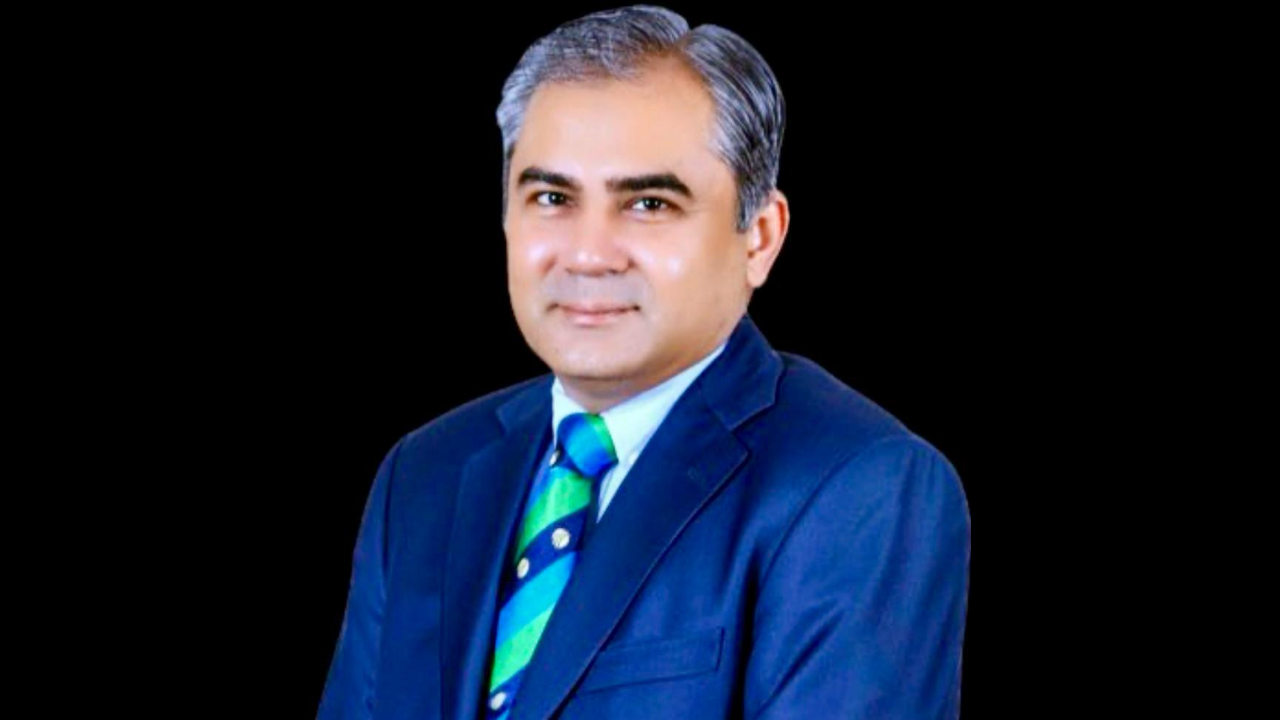
ISLAMABAD (TNS) Mohsin Naqvi, Chairman of the Pakistan Cricket Board (PCB), adopted a firm and principled stance regarding the issue of changing the venue for Bangladesh’s matches in India on the laid down principal of the hybrid model, amid serious security threats at the event of T-20 World Cup in India. His logical position was based on not only in moral reasoning but also in strong legal and institutional principles governing international sports, sovereignty, and the duty of care owed to participating nations amid security concerns. The ICC’s refusal to accommodate Bangladesh’s legitimate concerns, coupled with the imposition of illogical conditions, reflects ICC and BCCI are both who have clear double standards and raises serious questions about the organization’s legal and ethical credibility of ICC.
From a legal standpoint, the ICC is bound by its own constitution and event hosting agreements, which clearly emphasize player safety, team security, and equal treatment of member boards. International sporting bodies have a well-established duty of care to ensure that participants are not exposed to foreseeable risks. Bangladesh’s request for a venue change due to security threats was based on evolving security challenges, including regional instability, political tensions, and credible threats that have even admitted by ICC which could endanger players, officials, and supporters. Ignoring such concerns contradicts the ICC’s obligation under international sports governance norms and risk management protocols.
Moreover, the principle of non-discrimination and equal application of rules is central to international law and institutional justice. The ICC has previously allowed India to play with Pakistan under hybrid models and venue changes for other nations under similar or even less severe circumstances. Denying Bangladesh the same consideration constitutes selective enforcement of regulations, which is legally indefensible and institutionally damaging. Mohsin Naqvi rightly termed this decision an injustice with Bangladesh as it undermines the rule-based order that the ICC claims to uphold.
Security challenges in India for visiting teams cannot be dismissed as hypothetical. International law recognizes the right of states and entities to take preventive measures when credible risks exist. Large public events, cross-border political tensions, and recent incidents of unrest have heightened security vulnerabilities. Bangladesh’s request was therefore a lawful measure, aimed at risk mitigation rather than confrontation. The ICC’s refusal to acknowledge these realities reflects a failure to apply internationally accepted security assessment standards.
In response to these developments, Mohsin Naqvi clearly stated that the PCB would act in accordance with the decisions of the Government of Pakistan, following them in both letter and spirit. This position aligns with constitutional principles, as national sports bodies operate under the authority of their sovereign governments. He emphasized that Pakistan is a sovereign nation and will not compromise its legal autonomy or moral position under any external pressure. By supporting Bangladesh, Pakistan reinforced the principle of collective resistance against institutional injustice.
Mohsin Naqvi’s statement that “respect and honour are more important than money” carries significant legal and ethical weight. Financial considerations cannot override over safety obligations, national dignity, or the fundamental rights of players and teams. International sports law increasingly recognizes that commercial interests must remain secondary to human security and institutional fairness.
History shows that failure to act on credible threats often leads to irreversible damage both human and institutional. Such moments expose the cost of short-sighted decisions and reinforce the necessity of precautionary action.
Mohsin Naqvi’s bold and judicious stance was grounded in law, security logic, and institutional integrity. By challenging the ICC’s injustice with Bangladesh and double standards especially standing with Bangladesh, Mohsin Naqvi defended the core principles of justice, equality, and sovereignty as Cricket is a gentleman game which has no link with politics but India has always tried to ruin the true spirit of this gentleman game in the garb of politics. For international cricket to maintain credibility, the ICC must abandon its selective decision making and uphold uniform legal standards. Without fairness. No governing especially ICC can legitimately deprive any full member to its due right of playing cricket in a conducive atmosphere.
When questioned about Pakistan’s future course of action, Mohsin Naqvi made it very clear that the PCB would act in accordance with whatever decision the Government of Pakistan takes, and would follow it in both letter and spirit. He reaffirmed that Pakistan is a sovereign nation and will not compromise its dignity, respect or principles under any external pressure. By supporting Bangladesh’s principled stance, he reinforced the idea that solidarity among nations is essential to counter injustice in international forums.
Mohsin Naqvi further stated that respect and honour are far more important than money. This remark underscored a vital message: financial incentives should never outweigh national dignity, safety, and self-respect. Cricket, as a gentleman game as well as global sport, must be built on trust and fairness rather than money or power politics.
Mohsin Naqvi’s firm and principled stand has lauded by the whole world especially Bangladesh and Pakistan in which he has exposed ICC’s double standards and supporting Bangladesh, and emphasized that justice, respect, and sovereignty must remain at the core and top most priority of international cricket. Only through fair and transparent decision making can restore the ICC trust and uphold the true spirit of the gentleman game of Cricket.