
ISLAMABAD (TNS) Preparations for presenting the federal budget for the upcoming fiscal year 2026-27 in parliament in mid-June 2026 are in the final stages.
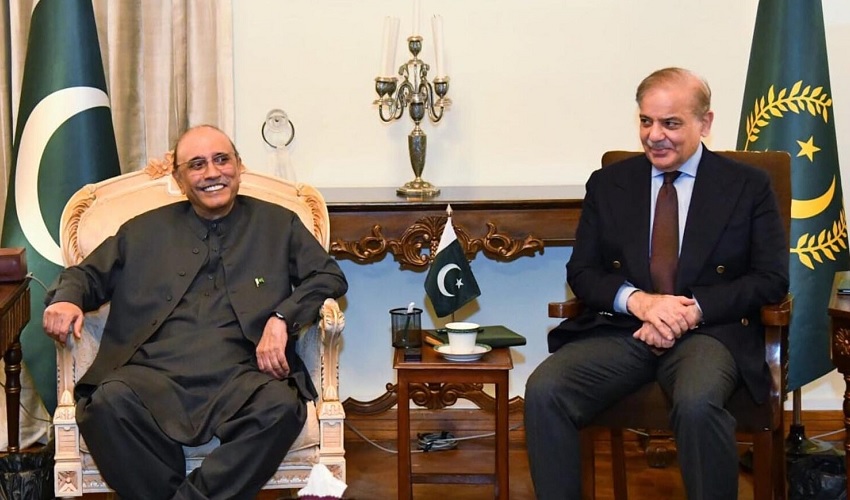
The federal government and the coalition party Pakistan Peoples Party have reached an agreement in principle on most of the proposals for the federal budget for the upcoming fiscal year. In an important meeting held at the Presidency in the presence of President Asif Ali Zardari, Prime Minister Shehbaz Sharif and Chairman PPP Bilawal Bhutto Zardari, the PPP has given the government the green signal to approve the budget. The important details of the meeting are as follows:
Agreement on budget proposals: Both sides have expressed agreement on most of the economic proposals related to each other’s budget preparation. Establishment of technical committees: The technical committees of both parties will continue further consultations for detailed work on some important and actionable points.
Balance of resources and problems: It has been decided that both sides will create space for each other, keeping in mind the country’s economic situation, available resources and problems faced.
President’s priority to public welfare:
President Asif Ali Zardari emphasized that public welfare, rights of provinces and economic stability should be given top priority in the federal budget.
Emphasis on harmony: The President emphasized the need to maintain a balance between the rate of economic growth and public welfare projects.
Prime Minister Shehbaz Sharif was accompanied by Deputy Prime Minister Ishaq Dar, Interior Minister Mohsin Naqvi, federal ministers and senior officials of the Ministry of Finance.
Chairman Bilawal Bhutto Zardari led Sindh Chief Minister Murad Ali Shah, Syed Naveed Qamar, Sherry Rehman and Saleem Mandviwala participated. After this meeting, the process of budget preparation and its approval by the parliament is expected to be smooth, while political and economic issues, including the recent elections in Gilgit-Baltistan, were also discussed in the meeting.
The budget was initially scheduled to be presented on June 10, however, according to the latest information, consultations are now underway to present it on June 12, 2026.
Economic Survey: Pakistan’s economic survey will be presented on June 9, 2026, ahead of the federal budget.
Punjab Budget: According to the provincial finance minister, the Punjab budget will be presented on June 16, 2026.
Economic targets and budget volume: The total volume of the federal budget for the new fiscal year is expected to be around Rs 17.1 trillion.
Tax target: The tax collection target for the Federal Board of Revenue (FBR) is proposed to be set at a record Rs 15.3 trillion.
Development Budget (PSDP): It is proposed to keep Rs 1126 billion for the Federal Development Program, which is Rs 289 billion more than last year.
Growth rate and inflation: The new budget has a target of 4.1 percent for economic growth (GDP Growth) and an average inflation target of 8.4 percent.
Dollar rate: The basic budget documents and estimates are being prepared at a rate of Rs 290 per dollar.
Suggestions for the public and salaried class Increase in salaries: A proposal to increase the salaries and pensions of government employees by 10 to 15 percent is under consideration.
Tax relief: It is proposed to introduce new income tax slabs to reduce the income tax burden on the salaried class, for which the final approval of the IMF is awaited.
New taxes and other sectors Solar and EV: Under energy and environment-friendly measures, the sales tax on solar panels and electric vehicles is likely to be increased to 18 percent.
Information Technology: To promote IT exports, the Pakistan IT Association has recommended further increase in tax exemptions. This budget is being prepared keeping in mind the conditions of the International Monetary Fund’s $7 billion program and the country’s economic stability.
The budget proposes to provide relief to exporters to increase exports, and the new budget recommends abolishing one percent advance tax on exporters.
Duty on makeup products may be reduced from 44% to 40%. A 4% reduction in duty on imported makeup products has been recommended. Tax relief is expected on imported equipment and machinery for beauty parlors, health fitness and clinics.
Imported sunblock, sunscreen, shaving cream, aftershave, lotion are likely to become cheaper, retail price will be printed on baby formula milk, ketchup, ghee, cooking oil, tea leaves. Retail price printing has been made mandatory for collecting sales tax on food items.
It has been proposed to increase climate levy on petroleum and abolish tax exemption for merged districts of Khyber Pakhtunkhwa. It is proposed to increase climate levy on petroleum products from Rs 2.5 to Rs 5 per liter. According to budget documents, a total of Rs 77 billion in development funds have been proposed for the education sector during the next fiscal year.
It is proposed to allocate Rs 41.19 billion for the Higher Education Commission, which is only Rs 1.71 billion more than the current fiscal year. On the other hand, the Federal Ministry of Education and Professional Training has been proposed to get Rs 36 billion for development projects.
According to the documents, it is proposed to allocate Rs 4.60 billion for Danish schools in Azad Kashmir, Gilgit-Baltistan, Chitral and Sindh under the Federal Ministry of Education in the next fiscal year.
It is proposed to keep Rs 3.29 billion for the Prime Minister’s Youth Skill Development Program and Rs 3 billion for the Pakistan Education Endowment Fund. In addition, Rs 2.61 billion for the Skill Development Program will also be part of the Public Sector Development Program.According to the budget documents, only Rs 300 million is proposed to be allocated as a token amount for 3 new projects of the Higher Education Commission, while more than Rs 41 billion will be spent on 135 ongoing projects of the commission.
The 2 new projects of the Federal Ministry of Education include digital learning and rollout of matriculation tech projects, for which it is proposed to allocate Rs 600 million each.
The Ministry of Education will spend Rs 34.8 billion on its 31 ongoing development projects, while overall, ongoing projects have been given more priority than new projects in the education sector. In the federal development program for the upcoming fiscal year 2026-27, it has been proposed to allocate Rs 91 billion for 48 projects of the Power Division, including 45 ongoing and 3 new projects.
According to the documents, Rs 86 billion has been proposed for ongoing projects, while more than Rs 4 billion has been proposed for new projects. Several projects to expand the national grid system and improve the power transmission and distribution system are also part of the development program.
It has been proposed to allocate Rs 700 million for the 500 KV Lahore North Grid Station project, while Rs 3 billion has been recommended for NTDC transmission system upgradation.
According to the document, Rs 10.8 billion has been proposed for the Dasu Hydropower project, while Rs 3 billion has been proposed for the transmission line of the Sukhi Kinari Hydropower project, and Rs 3.9 billion has been recommended for the project to transmit electricity generated from the Mohmand Dam to the national grid.
It has been proposed to allocate Rs 3 billion for the improvement of the distribution system of Multan Electric Power Company, while Rs 2.41 billion has been recommended for the upgrade of the electricity transmission system.
It has been proposed to allocate more than Rs 9.32 billion for the construction of the Islamabad West Grid Station, similarly, it has been recommended to allocate funds of Rs 2.91 billion for the improvement of the power distribution system in 10 districts of Sindh and more than Rs 3 billion for the installation of power consumption devices. Despite Pakistan being among the countries most affected by climate change, no new project has been included in the new federal budget to deal with climate change, while nominal funds have been allocated for three ongoing projects.
Details of the development projects of the Climate Change Division for the next financial year have been revealed, under which only Rs 2.78 billion has been allocated, which will be spent on already ongoing projects.
According to the document, the total cost of the ongoing projects of the Climate Change Division is Rs 123.51 billion, of which barely Rs 35 billion is expected to be spent by June 30, 2026.
Last year, Rs 2.30 billion was allocated for this sector, however, there has been no significant increase in funding this year either. It has been proposed to allocate Rs 2.49 billion for the Green Pakistan Program, while the total cost of this project is Rs 122.14 billion.
According to the document, more than Rs 290 million has been allocated for enhancing the technical capacity of the Ministry of Climate Change, while only Rs 1.6 million has been allocated for the Green Skills project under the Sustainable Development Goals.
According to sources, Pakistan faces floods, heat waves and other natural disasters every year, despite this, comprehensive planning and new investments for environmental protection have not been forthcoming.
It should be remembered that more than 1,000 people lost their lives during the floods last year, however, according to experts, the implementation of the Early Warning System and the Monsoon Plan is facing delays. The details of the Power Division’s development program have been revealed in the budget, according to which a total of Rs 91 billion has been proposed for 48 projects.
According to the budget documents, Rs 86 billion has been proposed for 45 already ongoing development projects, while only Rs 4 billion has been allocated for 3 new projects.
The documents recommend allocating funds for several projects to expand the national grid system and improve the power transmission system.
A plan has been proposed to allocate Rs 700 million for the 500 kV Lahore North Grid Station project, while Rs 3 billion has been proposed for the upgrade of NTDC’s transmission system.
It has been proposed to allocate Rs 10.8 billion for the withdrawal of electricity generated from the Dasu Hydropower Project, while Rs 3 billion has been recommended for the transmission lines of the Suki Kinari Hydropower Project.
Similarly, it has been proposed to spend Rs 3.9 billion on the transmission system to include electricity from Mohmand Dam in the national grid.
According to the documents, Rs 3 billion has been recommended for the improvement of MEPCO’s power distribution system, while Rs 2.41 billion has been recommended for the upgrade of the power transmission system. A proposal to allocate more than Rs 9.32 billion for the construction of Islamabad West Grid Station is also part of the budget.
Furthermore, it has been proposed to allocate Rs 2.91 billion to improve the electricity distribution system in 10 districts of Sindh, while a plan to spend more than Rs 3 billion on the installation of power consumption devices to monitor and improve electricity consumption is also included. According to budget documents, projects related to electricity transmission, distribution and stability of the national grid have been given priority in the next fiscal year. Despite a shortage of more than 10 million houses in the country and a need for 1 million new housing units annually, a significant reduction in the development funds of the Ministry of Housing and Works Pakistan has been proposed in the budget for the next fiscal year 2026-27.According to the PSDP 2026-27 documents, only Rs 4.82 billion has been proposed for the ongoing development projects of the Ministry of Housing and Works, while the same amount was Rs 13.44 billion in the current fiscal year. Thus, a reduction of more than Rs 8.62 billion has been proposed in development funds.
The shortage of housing units across the country has exceeded one crore, while at least one million new houses are required annually, however, the possibilities of reducing the crisis have become further limited due to limited funding.
According to the documents, the total cost of the ongoing projects of the Ministry of Housing is more than Rs 40 billion, while there are fears that the pace of many projects will be affected due to low funds.
On the other hand, a large part of the development priorities seems to be going towards Karachi’s urban infrastructure. It has been recommended to allocate about Rs 1.98 billion for Karachi’s Green Line BRT project, which is the largest allocation among all the projects.
Similarly, it has been proposed to allocate more than Rs 1.1 billion for the improvement of roads, water supply, sewerage and parks in Orangi Town, Nazimabad and Liaquatabad.
It has also been recommended to allocate crores of rupees for infrastructure and water supply projects in Hyderabad and Mirpurkhas divisions to improve urban amenities. Moreover, it is proposed to allocate more than Rs 680 million for the construction of two major bridges over the Siren River in Mansehra. Important details regarding the budget for water resources development projects for the next financial year have come to light. The Ministry of Water Resources had indicated a total requirement of Rs 969 billion, however, the government has proposed to allocate only Rs 179 billion, which experts are calling “the grain in the camel’s mouth”.
According to the documents, the next year’s development budget includes 41 ongoing projects, while only one new project has been included, which is related to the power generation facility from the Diamer-Bhasha Dam. It has been proposed to keep Rs 500 million for this project. According to the documents, it is proposed to allocate Rs 500 million for the Diamer-Bhasha Dam Power Generation Facility, Rs 25 billion for the dam, Rs 7 billion for land acquisition, while Rs 25 billion is proposed to be allocated in the next budget for the Dasu Hydro project. In the next budget, Rs 39 billion will be allocated for the Mohmand Dam, and Rs 4.28 billion will be spent on the repair of the Warsak Hydropower Station, Rs 500 million for the Kutch Canal project, and Rs 13 billion for the Karachi Greater Water Supply. In addition, it is proposed to allocate Rs 5.76 billion for the installation of a telemetry system on the Indus River, while Rs 4.59 billion is proposed for the Mangla Dam expansion project, Rs 3.40 billion for the Tarbela Fifth Expansion Project, while the total cost of the Dasu project is estimated at more than Rs 1,737 billion, the Diamer Bhasha Dam is estimated at Rs 479 billion, the cost of the power house is Rs 174 billion, and the initial estimate of the cost of the Mohmand Dam is Rs 309 billion. A report by the Pakistan Institute of Development Economics (PIED) has revealed that the savings rate in the country has reached its lowest level in the last 30 years.
According to the report, the Pakistani people are saving only Rs 6 for every Rs 100 of their income, while due to inflation and low profits, the public is moving towards gold, property and cash instead of banks.
The Pied report states that the low savings rate can lead to an investment crisis in the country and is repeatedly pushing the economy towards external loans and IMF programs.
According to the data, Pakistan’s savings rate is 6.4 percent, while in Bangladesh it is 21 percent, in India 28 percent and in Vietnam it is close to 30 percent.
The report also points out that the government’s high borrowing is hindering private sector investment, and low savings are repeatedly pushing Pakistan towards external loans and IMF programs.
Due to inflation and low profits, people are turning to banks less, people are preferring gold, property and cash, there is a fear of an investment crisis in the country.
Paid demanded the launch of a national savings campaign in the budget 2026-27, said that tax incentives should be given again on long-term savings schemes, he also suggested special savings incentives for women, pensioners and informal sector workers, protection of small savers and increasing digital access to national savings products.
The report said that the model of running the future with other people’s money can no longer work, if savings are made safe, profitable and easy, Pakistanis will save more, Paid also suggested creating an annual “Savings Mobilization Dashboard”.