

Written By Ms. Aleena Yousaf, a Participant of ICSF-HU Fellowship Programme 2026-2027
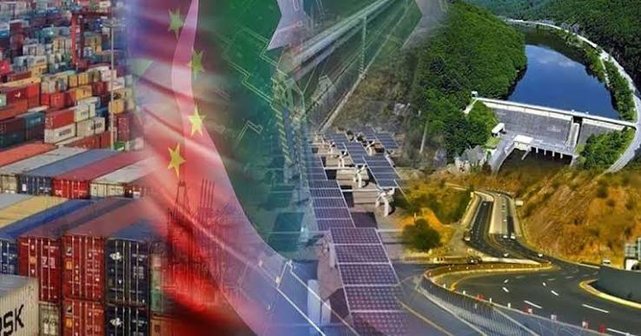
ISLAMABAD (TNS) The Pakistan china economic corridor has created opportunity through investment in infrastructure, energy and regional connectivity. Roads, railways and ports can improve transportation and connect business with domestic and international market. however, infrastructure alone cannot guarantee sustainable economic growth. Pakistan also needs strong domestic industries that can produce competitive goads create employment and expand exports. The second phase of CPEC’s industrial cooperation provide an opportunity to move beyond infrastructure development towards productive economic activity therefore, Pakistan should focus not only on attracting Chinese investment, but also on using it to strengthen local industries improve worker’s skills and increase the countries’ capacity to produce higher-values goods.
Pakistan’s textile industry demonstrates why domestic production matters. According to associated press of Pakistan (APP,2025). The countries’ textile exports reach approximately $17.89billion in fiscal year 2024-2025,an increase of 7.39% from the previous year textiles and apparel accounted for approximately 56% of Pakistan’s total export during the same fiscal year (ministry of commerce 2025)these figure demonstrate the importance of the sector to Pakistani export earning .
However, the country can strengthen its industrial base by improving its ability to process raw material into finished products. Instead of relying primarily on raw or less processed material Pakistan can expand the production of fabric, towels, shirts and other garments such production involves several stages include spinning waving packaging stitching finishing quality control. Each stage can create employment opportunities and support related business. Investment in modern equipment, improve production method and skilled workers can also help Pakistani manufactures meet international quality standard and compete in global market.
Chinese investment can contribute more to Pakistani’s development when it strengthens local production and business capabilities. CPEC’s industrial cooperation frame work identifies industrial development, special economic zone, technical training and stronger business partnership as important area of cooperation (board of investment,2022). Pakistan should use these opportunities to improve factory machinery, introduce modern technology and train worker to operate and maintain new equipment. however, purchasing machinery alone is not enough. Worker need practical training, business need reliable electric city and supporting infrastructure, and manufacture need access to finance and modern production technique.
Consider a simple example: imagine that a shop has been built and transport facilities have been provided, but there are no locally produced goods to sell. The shop exists yet its economic potential remains underuse. similarly, CPEC’s road, energy project and connectivity can create opportunities, but Pakistan must strengthen its domestic industries to make full use of them. Infrastructure provides access; productive business help turn that access into economic activity.
Pakistan should also encourage local business to became supplier to Chinese companies operating in the country. for example, Pakistani firms could provide packaging material transportation, spire parts maintenance services and other industrial inputs provided they meet the required standard. Chinese companies could work with local supplier through business partnership, technical guideness and training. such connection could help Pakistani businesses gain costumer, improve product quality and participate in wider supply chain. these benefits are not automatic: local frame must become competitive while investment policies should encourage meaningful participation by Pakistani business.
Pakistan’s long-term industrial growth also depend on its ability to add value to its natural resources and agricultural products. In the textile sector transforming cotton into finished garments and home textile can create additional productional stage and employment opportunities. Pakistan already export significant quantities of finished textile product. for example, world bank WITS databased on UN comtrade record approximately $421 million in Pakistani exports of specific category of cotton knitted hosiery in 2024. this demonstrate that Pakistani manufactured al ready participate in international market or finished textile goods. the next challenge is to strength productivity, productive quality design, technology and market an access so that local frame can compete more effectively.
A similar lesson applied to Pakistan’s mineral resources. The Reko Diq project in Baluchistan is a major copper-gold development that required substantial investment, specialized experts and advance mining and processing capabilities. Barrack (2023) identify 2028 as a target for first production at the project. Reko Diq is not a CPEC Chinese -investment project: rather, it illustrates the wider importance of technology, skills and investment in developing mineral resource. Pakistan should seek partnerships that built a local technical expertise, develop supporting industries and increase a domestic participation in mineral processing. Chinese investment could contribute in such capabilities in suitable projects.
In conclusion: CPEC offer Pakistan opportunities’ that extended beyond infrastructure and investment to benefit fully from this cooperation, Pakistan must strengthen it local industries, improve worker technical skill and connect domestic business with wider industrial supply chain. Moving towards higher value product can help create employment, support local production and improves export competitiveness like a shop that need goods to generate business, infrastructure alone cannot deliver it full economic potential without productive industries. By combing Chinese investment with technology development, work force training and stronger Pakistani businesses, the country can turn CPEC opportunities into more sustainable and inclusive economic growth. ultimately, CPEC success should be measured not only by the infrastructure built or investment attracted, but also productive capacity, employment and export opportunity created for Pakistan.
References:
1. Associated Press of Pakistan. (2025, July 18). Textile exports rise by 7.39pc to $17.887b in FY 2025. https://www.app.com.pk/business/textile-exports-rise-by-7-39pc-to-17-887b-in-fy-2025/