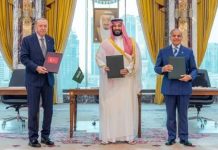

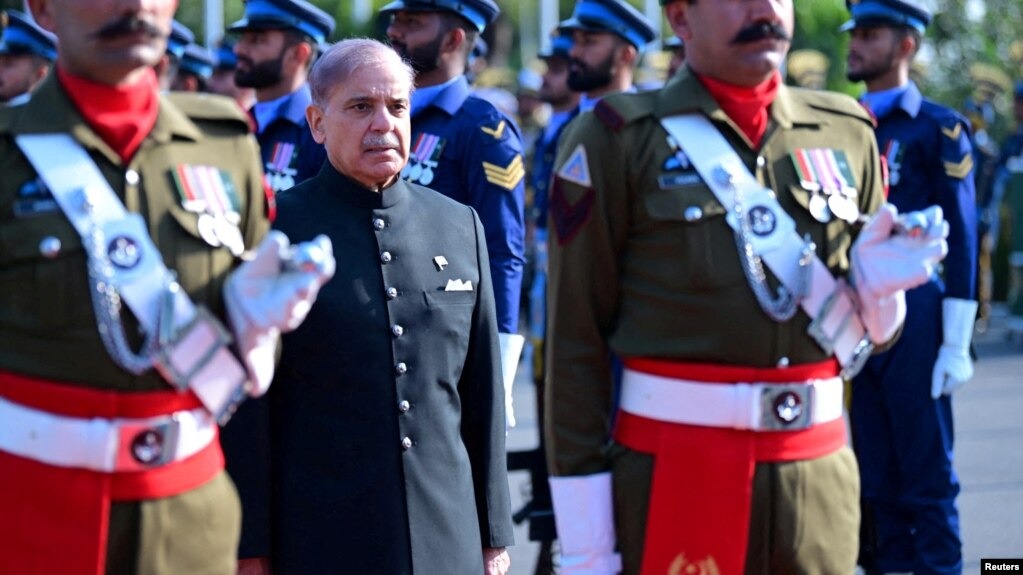
ISLAMABAD (TNS) The government of Pakistan achieved some economic stability in 2025 under the leadership of Prime Minister Shahbaz Sharif. The year 2026 will be a year of economic development for Pakistan. 2025 has been a year of recognition of the country’s economic stability. Among the important achievements of the economic scenario, inflation has come down to its lowest level of 4.1% for the first time since 2018. Along with the remarkable growth in the country’s exports, remittances have increased by 34 percent in the last five months. Pakistan’s foreign exchange reserves have increased from $4 billion to over $12 billion. The interest rate has also been reduced from 22 percent to 13 percent, which has brought a positive change in the economic scenario. Considering the inflation rate, the State Bank has an opportunity to further reduce the policy rate. The stock exchange is currently at its highest level ever, and these economic indicators make it clear that 2026 will be a year of economic prosperity. Important steps have been taken to prevent the smuggling of petroleum products. Strengthening trade and economic relations with Central Asian states, especially facilitating shipments to Russia through the National Logistics Cell, is a major achievement. The Prime Minister signed agreements with Gulf countries such as Saudi Arabia, the United Arab Emirates, and Qatar. The Prime Minister, citing the recovery of Rs72 billion from banks through alternative dispute resolution mechanisms, also stressed the need for reforms in the tax system to eliminate corruption and increase revenue collection. Under the visionary leadership of Prime Minister Shehbaz Sharif, Pakistan has not only made significant progress in the economic field but has also achieved significant successes at the diplomatic level, which has raised the country’s prestige at the global level. The government is using all available resources to ensure public welfare and the provision of basic amenities. Pakistan’s economy is showing signs of stability and recovery with growth in the fiscal year 2025 ending on June 30, 2026, as the effects of tough macroeconomic policies and progress in economic reforms are taking hold.
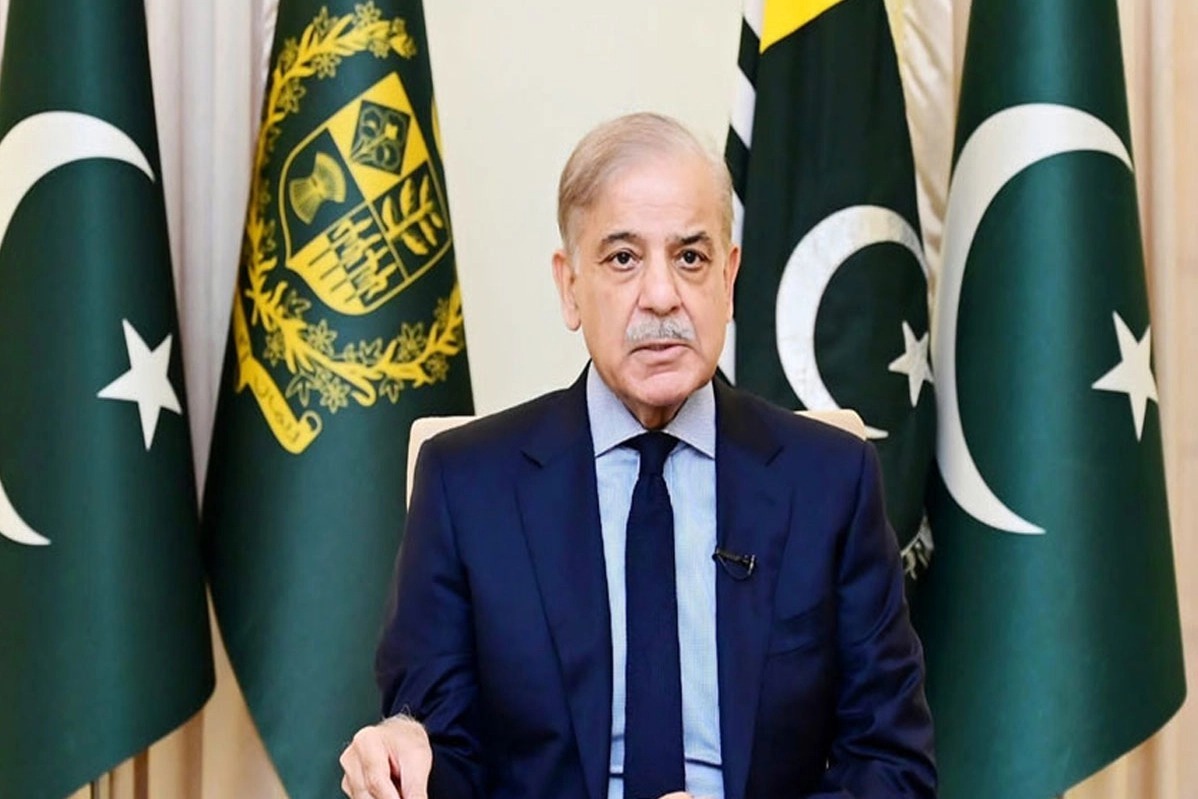 When the current government took office in 2023, Pakistan was facing a serious threat of default, and its future was hanging in the balance. The majority believed that Pakistan would default, while only a few were optimistic that we would escape disaster. At that time, the economy was in a bad shape, inflation had reached 38% while the policy rate was hovering at 22%. The result of joint efforts has been that the policy rate has now come down to below 11%. The Uran Pakistan program has also been launched.
Prime Minister Shehbaz Sharif held marathon talks with the IMF and firmly assured that Pakistan would not default and would remain committed to the Fund’s program.
It is worth noting that Prime Minister Shehbaz Sharif has reiterated the government’s commitment to achieving a complete economic transformation by prioritizing long-overdue reforms, structural changes, and meritocracy.
In 2025, under the leadership of Prime Minister Shehbaz Sharif, Pakistan’s economy witnessed several stabilization achievements, including a significant reduction in inflation, a significant current account surplus, and improved revenue collection. However, overall GDP growth for the fiscal year remained below the initial targets.
Key Economic Achievements Reported for the Year 2025 (Primarily covering the fiscal year 2024-25, which ended on June 30, 2025,
Significant Reduction in Inflation:
Inflation was brought under control dramatically, falling from around 38% in May 2023 to an average of 4.6% for the fiscal year 2025. Monthly inflation hit a multi-decade low of 0.3% in April 2025. By November 2025, the rate was around 1.6%.
Current Account Surplus:
The country achieved a current account surplus of around $1.8 billion in fiscal year 2025 (July-May period), a significant improvement from the previous year’s deficit and an important milestone for external stability.
Increased Revenue Collection:
The government’s fiscal consolidation efforts led to a substantial increase in tax revenue collection, which rose 36.7% to Rs 13,367 billion. The tax-to-GDP ratio also improved from 6% to 8%.
Economic Volume Milestone:
Pakistan’s economy crossed the $410 billion mark for the first time in 2025.
Credit Rating Upgrade: Major international rating agencies like Fitch and Moody’s upgraded Pakistan’s sovereign credit rating, reflecting improved confidence in the country’s economic stability and reform agenda.
Policy Rate Cut:
The State Bank of Pakistan significantly reduced its key interest rate by 1,100 basis points, to 11% by May/June 2025, with the aim of encouraging private sector investment.
Growth in Specific Sectors:
The industrial sector showed resilience and slightly exceeded its target with a growth of 4.8%, driven by strong performance in construction and utilities. IT exports also saw a 24% increase Gone. Despite these gains, overall GDP growth for fiscal year 2025 was revised down to 2.7%, lower than the initial target of 3.6%.
The agriculture sector underperformed expectations, partly due to adverse weather events and floods in late 2025.
The government continues to manage ongoing fiscal challenges and discussions with the International Monetary Fund.
The government, led by Prime Minister Shehbaz Sharif, has highlighted several economic achievements and key reforms aimed at achieving macroeconomic stability and sustainable growth. Despite facing significant challenges, the economy has shown signs of recovery.
Macroeconomic Stability The government has emphasized achieving macroeconomic stability with the help of International Monetary Fund (IMF) programs and attracting foreign investment away from dependence on foreign aid.
Inflation Reduction: The Consumer Price Index (CPI) inflation rate declined from a peak of around 38 percent in 2023 to around 5 percent by mid-2025, providing relief to the public.
Current Account Surplus. For the first time in two decades, the country achieved a sustainable current account surplus, which reached $1.8 billion in fiscal year 2025.
Increase in Foreign Exchange Reserves: Pakistan’s foreign exchange reserves increased from $4 billion to $12 billion in 2025.
Increase in GDP and Economic Size The size of Pakistan’s economy crossed the $410 billion mark for the first time in the National Economic Survey 2024-25.
Real GDP growth for FY25 was 2.7%, with an expected target of 4.2% for FY26
Revenue Collection The government saw record revenue collection, with the Federal Board of Revenue (FBR) collecting Rs13,367 billion, an increase of 36.7%, and increasing the tax-to-GDP ratio from 6% to 8%
Investor Confidence The Pakistan Stock Exchange 100 Index reached record highs, which the Prime Minister described as evidence of investors’ growing confidence in the government’s economic policies.
Foreign Investment Pledges Substantial investment pledges were received from allied countries, including a $5 billion investment from Saudi Arabia aimed at key sectors such as agriculture, energy, and mining.
Interest rate cut. The State Bank of Pakistan has reduced the policy interest rate from 22% to around 11-13% in 2025 to boost industrial growth and investment.
Exports and remittances rise. Exports increased, and remittances from overseas Pakistanis reached a record $34.9 billion for the last fiscal year, up 28.8% year-on-year.
The government has also launched an ambitious five-year plan for economic revival and is focusing on structural reforms, broadening the tax base, and strengthening institutions to ensure sustainable, export-led growth.
The Prime Minister removed corrupt officials without pressure or favoritism from the Federal Board of Revenue (FBR) reforms. He had a clear vision to root out corruption from the FBR and took unprecedented decisions while ignoring the culture of favoritism. Earlier, the digitization process in the FBR existed only on paper, as no practical steps were taken, corrupt and cunning elements were held responsible for misleading the system. Digitization was the hallmark of the FBR, where work was transformed from paper-based to digital with several initiatives, including AI. As a result of the initiatives, revenue collection in one sector increased from Rs12 billion to Rs50 billion in a year, highlighting the extent of previous tax evasion.
Due to climate change, Pakistan suffered significant losses during the 2022 floods, and the economy suffered a loss of $30 billion despite the country’s minimal contribution to the global greenhouse effect.
In the backdrop of the Pahalgam incident in May 2025, Pakistan faced unjustified aggression from India. Pakistan proposed an impartial international investigation, but India did not respond. 55 Pakistanis were martyred as a result of the Indian aggression. Pakistan shot down six Indian aircraft in self-defense. After facing a humiliating defeat in the 1971 war, India continues to plot against Pakistan. However, the brave soldiers of the Pakistan Army remain steadfast in combating terrorism and unrest and give a befitting and befitting response to every aggression.
After the Indian attack on May 9 and 10, 2025, Pakistan responded with full force and taught the enemy a lesson. Pakistan won the conventional war as a result of the professionalism and bravery of the armed forces,According to the Asian Development Outlook, the Asian Development Bank’s annual flagship economic publication, Pakistan’s real gross domestic product (GDP) is expected to grow by 2.5 percent in fiscal year 2026, with ADB saying that Pakistan’s growth rate is likely to remain at 3.0 percent in fiscal year 2026. The growth outlook is being supported by a more stable macroeconomic position, supported by the IMF’s Extended Fund Facility arrangements that began in October 2024. Adherence to the economic adjustment program is important to build resilience and enable sustainable and inclusive growth. Pakistan’s economy has benefited from improved macroeconomic stability through the implementation of strong reforms in areas such as tax policy and energy sector governance. Growth is expected to remain robust in 2025 and accelerate in 2026. The sustained implementation of policy reforms is essential to sustain this growth momentum and strengthen fiscal and external buffers. Growth is expected to be driven by improved private sector investment, which is linked to reform measures, broader macroeconomic stability perceptions, and a stable foreign exchange market. Successful implementation of the reform program is expected to create a more stable economic environment and gradually remove structural impediments to growth. Economic activity in both the industrial and services sectors will benefit from the recent fiscal easing and macroeconomic stabilization. Furthermore, strong remittance inflows, declining inflation, and monetary easing are expected to support aggregate demand. Average inflation is expected to decline further to 5.8 percent in fiscal 2026. This is driven by continued moderation in food inflation, stable global oil and commodity prices, moderate domestic demand conditions, and a favorable base effect. Pakistan’s female labor force participation is low compared to regional and peer countries, and enabling more women to work outside the home can empower women as well as increase productivity and output. Continued investments in girls’ education and vocational training programs that equip women with the skills needed for the job market, along with improving public transport and ensuring safe travel options, can reduce barriers to women’s entry into the labor market. The Asian Development Bank is a leading multilateral development bank supporting sustainable, inclusive, and resilient development in Asia and the Pacific. Working with its members and partners to solve complex challenges, the Asian Development Bank uses innovative financing tools and strategic partnerships to transform lives, build quality infrastructure, and protect our planet. Established in 1966, the Asian Development Bank has 69 members. After the start of the IMF program, Pakistan’s major economic indicators have shown stability. Inflation has decreased. Pakistan’s trade deficit has been brought under control, while foreign exchange reserves are sufficient. The government is facing difficulty in restructuring the power and gas sectors. In a year, manufacturing industries and the salaried class have contributed more to the tax system. But the government has not been able to take any significant steps to collect taxes on retailers, wholesalers, and property. One good step is the legislation related to agricultural tax in all four provinces. It is true that inflation and interest rates have decreased. The economy is showing stability. The government is facing the challenge of terrorism. Army Chief General Syed Asim Munir played a full role in economic improvement. The journey of development cannot continue without eliminating terrorism. If terrorism is eliminated, investment will come to the country. Today, Pakistan has not only emerged from default, but all international institutions, including the IMF, the World Bank, are saying that Pakistan’s economic indicators are moving towards stability. It may be recalled that the Prime Minister has appreciated China’s unwavering support for Pakistan’s economic development. He appreciated the importance of the China-Pakistan Economic Corridor as a key project of President Xi’s Belt and Road Initiative (BRI) and reiterated his desire to continue working with China for the successful implementation of its upgraded next phase with five new corridors. This will help both countries build a stronger Pakistan-China community with a shared future. These measures will contribute to regional and global peace, stability, and development. China will continue to support Pakistan in all areas of economic growth and development, especially as the two countries are now embarking on the second phase of CPEC. The Prime Minister renewed his most sincere invitation to President Xi Jinping to pay an official visit to Pakistan next year, 2026, when the two countries will celebrate the 75th anniversary of the establishment of Pakistan-China diplomatic relations.URAA N Pakistan is a transformational initiative designed to highlight and advance the key projects and reforms outlined in the National Economic Transformation Plan. The strategy aims to revive Pakistan’s economy, promote sustainable growth, and advance inclusive growth. Recall that on January 1, 2025, Prime Minister Shehbaz Sharif launched the 5-year ‘Transformation Plan, URAA N Pakistan’ program to address the country’s chronic economic problems by focusing on the 5 Es—Exports, e-Pakistan, Environment, Energy, Transparency, and Sovereignty.
The Government of Pakistan, led by Prime Minister of Pakistan Mian Muhammad Shehbaz Sharif and Federal Minister Ahsan Iqbal, has introduced a comprehensive and long-term economic plan named “URAA N Pakistan”. This plan is not just an economic plan but a complete national vision, which reflects the commitment to transform Pakistan into a modern, prosperous, and self-sufficient economy by 2047. ‘Uran Pakistan’ is based on five key pillars (5Es), which are designed to develop different sectors of the economy. According to the official document, the ‘URAA N Pakistan’ plan will serve as a comprehensive roadmap to make Pakistan a $1 trillion economy by 2035 and a $3 trillion economy by 2047. The plan focuses on IT, manufacturing, agriculture, minerals, workforce, and the blue economy, with a target of $60 billion in annual exports. The program is related to promoting small businesses, entrepreneurship, diversifying the market, improving the quality of goods made in Pakistan in line with global standards, thereby stabilizing the rupee for sustainable development, reducing dependence on imports, and opening doors to economic opportunities. E-Pakistan will take the freelancing industry, especially in Information and Communication Technology, to $5 billion and produce 200,000 IT graduates annually. This initiative will provide the first Pakistani unicorn platform by boosting the startup ecosystem, expanding mobile connectivity to over 100 million users, developing an AI (Artificial Intelligence) framework, and enhancing cybersecurity capabilities. Under the Climate Change Plan, the government will address climate change and ensure sustainable management of resources. This initiative will reduce greenhouse gas (GHG) emissions by 50 percent, increase water storage capacity by 10 million acre feet, increase cultivable land by 230 million acres, promote forestation, preserve biodiversity, and enhance disaster resilience.
The document said that in the energy and infrastructure sectors, the government will build modern infrastructure and increase renewable energy to 10 percent to ensure an affordable, reliable energy supply. The plan also envisages increasing the share of railways in passenger movement from 5 to 15 percent and freight transport from 8 percent to 25 percent, promoting regional connectivity, and increasing mining capacity. The plan outlined a ‘fair society for all’ under the banner of transparency, equality, ethics, and empowerment. Some of the key goals of the program include increasing the Universal Health Coverage Index to 12 percent, increasing the literacy rate by 10 percent, empowering women by increasing their labor force by 17 percent, reducing youth unemployment by 6 percent, and promoting values-based governance.Increasing exports is essential for the stability of the country’s economy. URAA N Pakistan aims to increase exports to $60 billion annually. The government has launched special projects to promote exports in the IT, agriculture, industry, and creative economy sectors to increase demand for Pakistani products in global markets and stabilize foreign exchange reserves. The development of the digital economy is an important pillar of URAAN Pakistan. The government has set a target of taking the ICT freelancing industry to $5 billion and producing 200,000 IT graduates every year. Employment opportunities will be provided to the youth through the promotion of modern technology, freelancing, and e-commerce, which will create stability in the economy. Environmental changes are a major challenge for Pakistan. Under URAAN Pakistan, measures such as a 50 percent reduction in greenhouse gas emissions, an increase in water reserves by 10 million acre feet, and restoration of forests are included. The government intends to adopt modern technology and global standards of environmental protection to improve the ecological balance. Strong infrastructure and affordable energy are the foundation of development. The government has decided to reduce circular debt, develop renewable energy projects, and establish a modern transport system. The number of passengers in the railways will be increased from 5% to 15% and freight from 8% to 25%. Promotion of alternative energy sources and improvement of infrastructure will provide a strong foundation for the country’s economy. Economic development is not possible without social development. The government has decided to increase the Universal Health Coverage Index by 12%, increase the literacy rate by 10% and increase the participation of women in the workforce to 17%. These measures will promote social justice, equality, and moral values and make Pakistan a prosperous and developed country. The Prime Minister of Pakistan has declared “URAA N Pakistan” as the new foundation of national development. This plan has been formed keeping in mind the serious economic challenges facing Pakistan to develop the economy on modern lines and take the country to the point of self-sufficiency. “URAA N Pakistan” will take Pakistan out of the economic crisis and transform it into an economic powerhouse. According to him, this project is not only a guarantee of economic recovery and stability, but it will also create employment opportunities, reduce poverty, and promote modern technology, which is indispensable for a strong economy of the future. Under “URAA N Pakistan”, the government has formulated an integrated development strategy keeping in mind the geographical, economic, and social situation of each province. The main objective of this project is to make all provinces equal partners in the journey of national development and provide a stable foundation for the national economy. The development of each province is being tailored according to local resources, needs, and opportunities so that each region can contribute to national development with its full potential. This project is the beginning of a new chapter in the history of Pakistan, the impact of which will be profound not only on the economy but also on social development. Punjab is the largest and most populous province of Pakistan, which plays a fundamental role in the country’s economy. Under “URAA N Pakistan”, special attention has been paid to agricultural development, industrial production, and the IT sector in Punjab to further strengthen the economy of the province. The government has allocated special funds for the promotion of modern agricultural technology, water availability, and agricultural research to significantly increase agricultural production in Punjab. The establishment of new industrial zones and special economic zones has been announced to increase exports and create employment opportunities. Special centers will be established to promote the IT and freelancing sector so that the youth can be trained in modern technology. Under “URAA N Pakistan”, focus is being given to trade, industry, energy, and digital economy in Sindh. It has been decided to establish modern ports, logistics networks, and free trade zones in Karachi to transform the city into a global trade hub. The Thar Coal project is being expanded in Sindh to provide affordable energy. Plans are being made to establish IT parks in Karachi, Hyderabad, and Sukkur to provide opportunities for youth to join the digital economy. Special attention is being given to tourism, minerals, and energy projects in Khyber Pakhtunkhwa under URAAN Pakistan. A special package has been announced for the development of new tourist destinations, investment in the hotel sector, and improvement of infrastructure in Khyber Pakhtunkhwa. Mining projects for gold, copper, and other mineral resources are being launched so that the country’s economy can benefit from valuable minerals. Under “URAA N Pakistan”, the development of Balochistan is being given priority so that the province can be included in the national development stream. URAA N Pakistan is a comprehensive project under which equal development opportunities are being provided to all the provinces of Pakistan. The implementation of this project under the leadership of the Prime Minister of Pakistan will not only bring economic development in Punjab, Sindh, Khyber Pakhtunkhwa, Balochistan, Gilgit-Baltistan, and Azad Kashmir but will also provide education, health, employment, and business opportunities to the people. Through URAAN Pakistan, Pakistan will emerge as a strong, self-sufficient, and prosperous country, and all the provinces will participate equally in the country’s development.