

Islamabad (TNS) District Health Officer (DHO) Dr. Syeda Rashida Batool stated that rising particulate matter and harmful pollutants pose serious risks to respiratory, cardiovascular, and eye health. She emphasized that children, elderly citizens, and individuals with chronic illnesses are especially vulnerable during heavy smog episodes.
The District Health Office has advised the public to restrict outdoor activities and keep indoor environments safe by closing windows and doors during peak smog hours. Citizens are instructed to avoid burning waste, reduce smoke-producing activities, and use air purifiers if available.
 For personal protection, Dr. Batool urged residents to wear face masks outdoors, avoid exposure to dust and vehicle emissions, and protect eyes using sunglasses or protective eyewear. In case of irritation, eyes should be rinsed with clean water.
Health experts and the DHO have warned that symptoms such as coughing, breathing difficulty, chest pain, dizziness, or persistent eye irritation should not be ignored. Immediate medical attention should be sought from the nearest health facility. Patients with asthma, respiratory issues, or heart disease should keep essential medicines at hand and strictly follow medical advice.
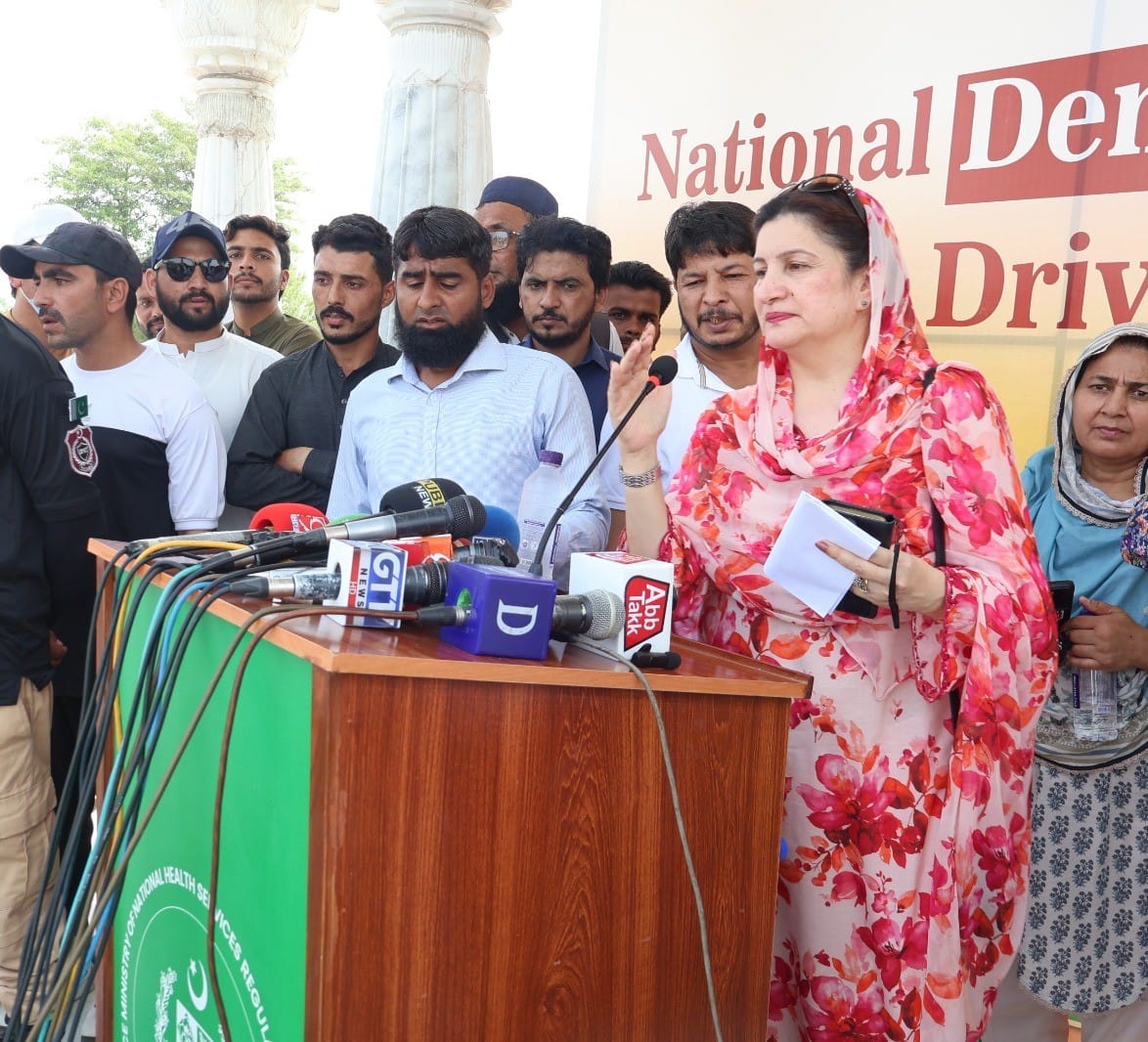 The advisory also calls for reducing unnecessary travel, minimizing vehicle use during smog peaks, and supporting government initiatives aimed at reducing pollution. Dr. Syeda Rashida Batool urged citizens to fully cooperate with health teams during awareness and inspection campaigns.
 Authorities reiterated that smog poses significant health dangers, and early preventive measures can substantially reduce the risk of severe complications. Residents are advised to stay alert and seek prompt medical help if symptoms worsen.