

ISLAMABAD (TNS) In many societies, injustice does not always wear the uniform of the state or announce itself through open violence. Sometimes, it lives quietly within families, hides behind tradition, and is justified through silence. Few injustices illustrate this better than the systematic denial of women’s inheritance rights — a practice so normalized that it often escapes moral outrage, yet so devastating that it robs generations of women of dignity, security, and identity.
Land in South Asian societies is far more than property. It embodies power, social status, and authority, often treated as a throne passed down through generations. Those who control land frequently come to see themselves as arbiters of not just property but people’s lives. In this context, women are disproportionately affected; the denial of their legal inheritance becomes an accepted social norm, obscured by family loyalty, tradition, or claims of “honor.”
Despite constitutional guarantees, legal protections, and reformist rhetoric, women face immense hurdles in claiming their inherited property. Mothers, daughters, sisters, and widows are routinely pressured to surrender their claims. If persuasion fails, coercion often follows. And when coercion succeeds, the result is silence — a quiet, generational injustice that the law struggles to correct.
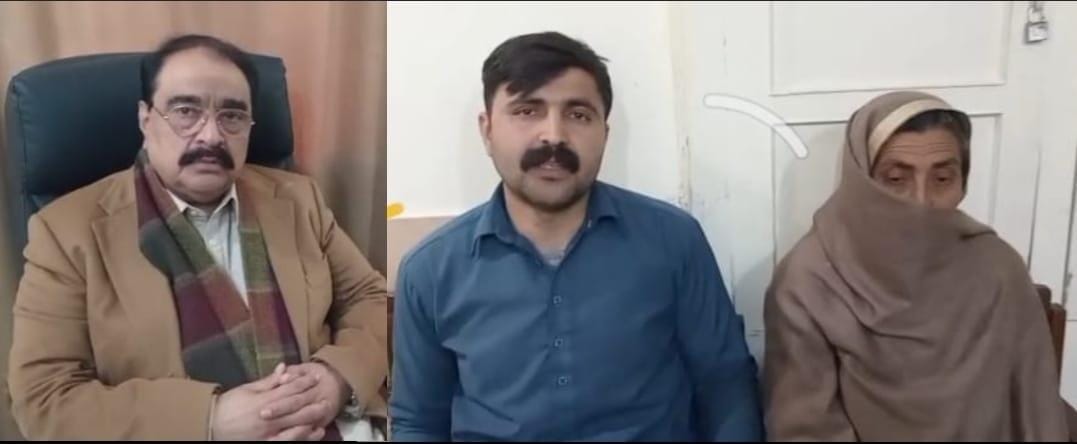
Yet, there are moments that challenge this entrenched inequity. In the village of Bajal, in Pakistan’s Attock district, a remarkable episode unfolded. A local resident, Suraya Bibi, daughter of Muhammad Iqbal, raised her voice against her own family, claiming ownership of her inherited land and ancestral house, which had been unlawfully occupied for five years by her uncle, Khan Bahadur.
What makes this case noteworthy is not simply the claim itself, but the response it received from the state. The local administrative officer, Tehsildar of Fateh Jang, Chaudhry Shafqat Mehmood, took immediate action. Accompanied by his team, he visited the site, listened to both sides, examined official records, and made a merit-based ruling. The land and property were restored on the spot to their rightful owner.
The significance of this act extends beyond property rights. It is a statement that the state can act decisively, transparently, and impartially — that justice is possible when administrative authority is exercised responsibly. For Suraya Bibi, this was not just the restoration of land, but a reclamation of dignity, autonomy, and identity.
Chaudhry Shafqat Mehmood emphasized that addressing grievances promptly and according to merit is the foremost duty of the administration. Rights must be protected without fear or favor, and powerful interests should not overshadow the law. The episode highlights a vital lesson: when justice is timely, the social and emotional cost of injustice is significantly reduced.
This case also underscores the potential for systemic change. If administrative authorities intervene proactively in inheritance disputes, especially concerning women, it reduces the burden on courts and demonstrates the practical power of governance to deliver justice. It reminds us that legal reforms alone are insufficient — enforcement and accountability are essential.
In a broader sense, the Fateh Jang example illustrates how state authority, when exercised with integrity, can counter deep-rooted societal inequities. It challenges the notion of a “land god” — an individual whose personal power supersedes the law — and reaffirms that the ultimate authority resides not in wealth or lineage, but in the rule of law.
The question remains whether such examples will remain exceptional or evolve into sustained practice. Will every daughter, sister, and granddaughter be able to claim her rightful share without facing years of delay or intimidation? The Fateh Jang case offers hope, demonstrating that decisive action by principled officials can bridge the gap between legal rights and lived reality.
Ultimately, the story is about much more than one plot of land. It is a reflection on governance, justice, and social equity. When the state asserts its authority responsibly, and when law meets human need on the ground, society moves closer to fairness. The land may be contested, but justice, at last, finds its place.