
ISLAMABAD (TNS) The alleys of Khanewal have long been shadowed by a grim reality. In the corners of crumbling walls, groups of young men huddle, clutching cigarettes and plastic bottles, their hands trembling, faces flushed, eyes wide with a mixture of fear and frenzy. Smoke and the pungent stench of decay hang heavily in the air, enveloping the entire neighborhood in a choking haze. For years, this has been a recurring scene across Khanewal—drug dealers filling their pockets while young lives wither away. Residents remain silent, parents helpless, and the presence of the state barely felt.
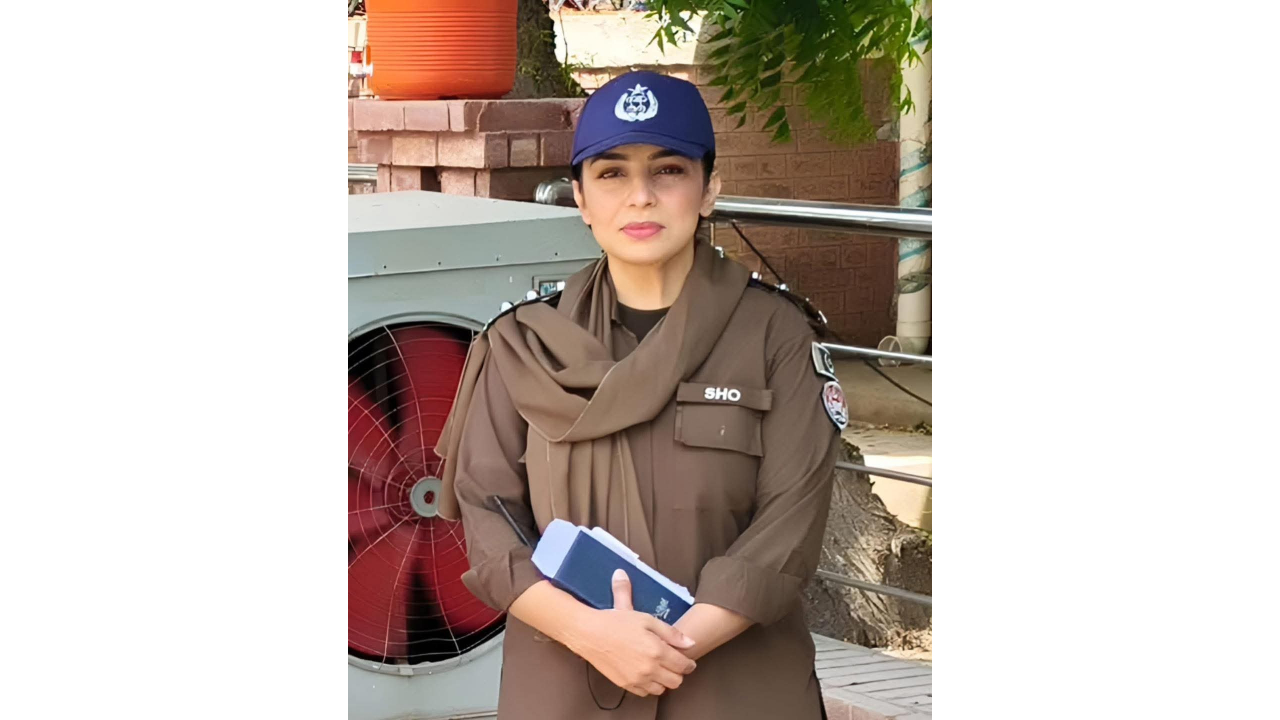
Then, suddenly, a decisive moment arrived. Officer Qurat-ul-Ain stepped in, resolute in her mission to end this cycle. Police vehicles rumbled down a dirt path, and within moments, the quiet was shattered by the sounds of pursuit and commotion. It was the moment when another drug dealer was caught in the grip of the law. News spread rapidly, and locals poured into the streets—some applauding, some offering prayers, and some simply astonished by the sheer courage and fearlessness displayed.
Yet the story did not end there. The very next day, the same arrested individual, who had multiple prior charges for drug trafficking, claimed that his leg was broken during the arrest. Social media erupted, petitions poured in, and a fresh wave of controversy emerged, casting shadows over Qurat-ul-Ain’s operation. The pressing question arose: was this allegation genuine, or was it yet another ploy by the entrenched mafia, which for years has dared to challenge the law?
Known as the “Iron Lady,” Qurat-ul-Ain has earned this title for a reason—she does not falter under pressure. No matter how influential the drug networks, she does not shy away from action. This unyielding spirit is breathing new life into Khanewal’s police force. Yet, another question lingers: can a society long shackled by the grip of drugs truly liberate itself so easily?
This accomplishment is not the work of one individual alone. DPO Ismail Khadark’s strategic policies have structured the ongoing war against drugs in Khanewal. Large networks have been dismantled, minor dealers arrested, and now officers like Qurat-ul-Ain are taking the mission to every corner of the town. If these efforts continue, the streets of Khanewal may one day be genuinely cleansed. But if each arrest is met with rumors, false allegations, and propaganda, who will bolster the morale of the police? Who will stand by the officers risking their lives to protect the future of our youth?
Ultimately, the choice is clear. On one side are the drug dealers poisoning generations; on the other are the law enforcement officers sacrificing sleep, comfort, and safety to eradicate this menace. The question now is: whose side will we take?